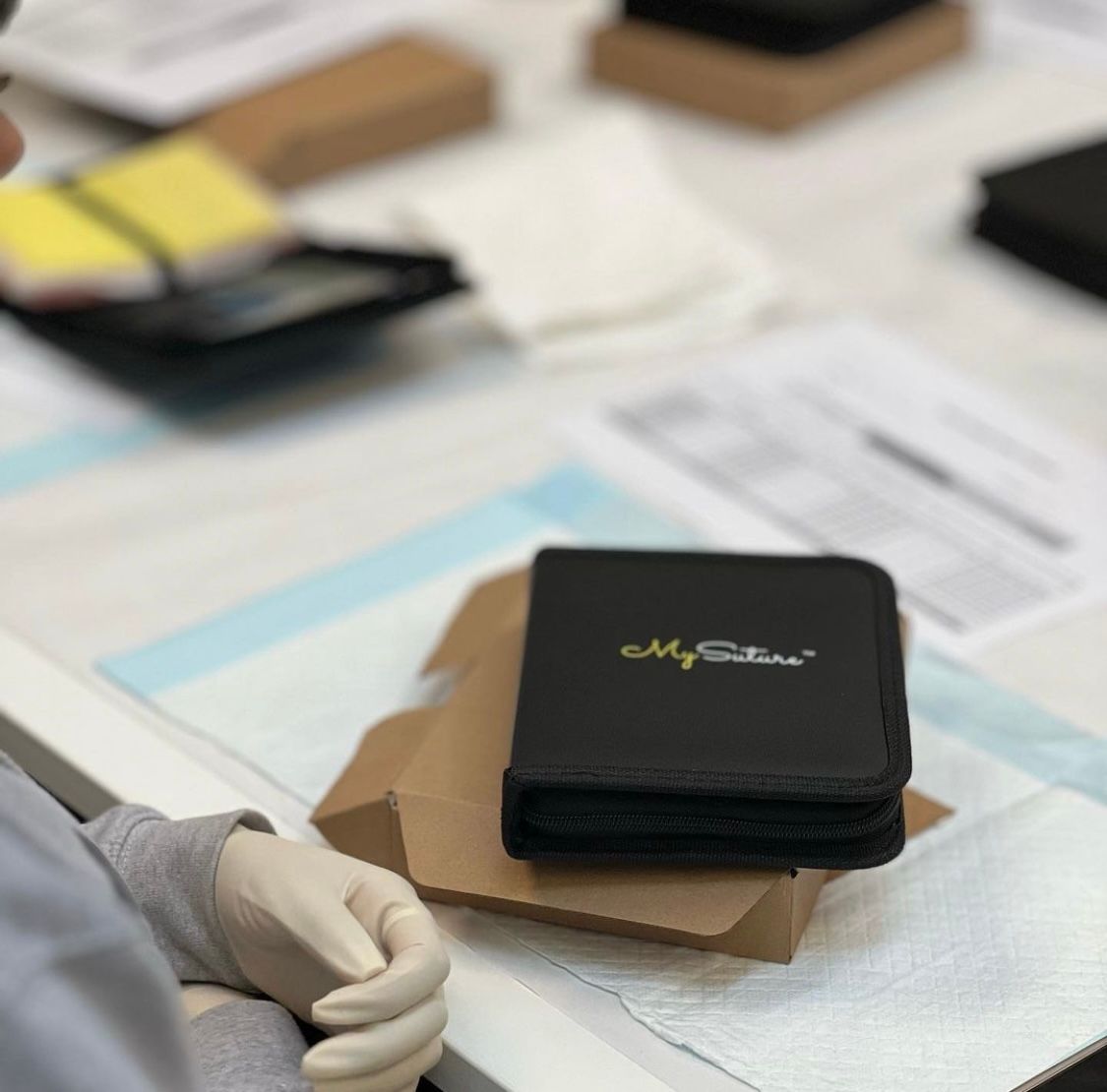
Med School in March

3 March 2025

Maximising Your Potential: What Medical Students Can Do in March
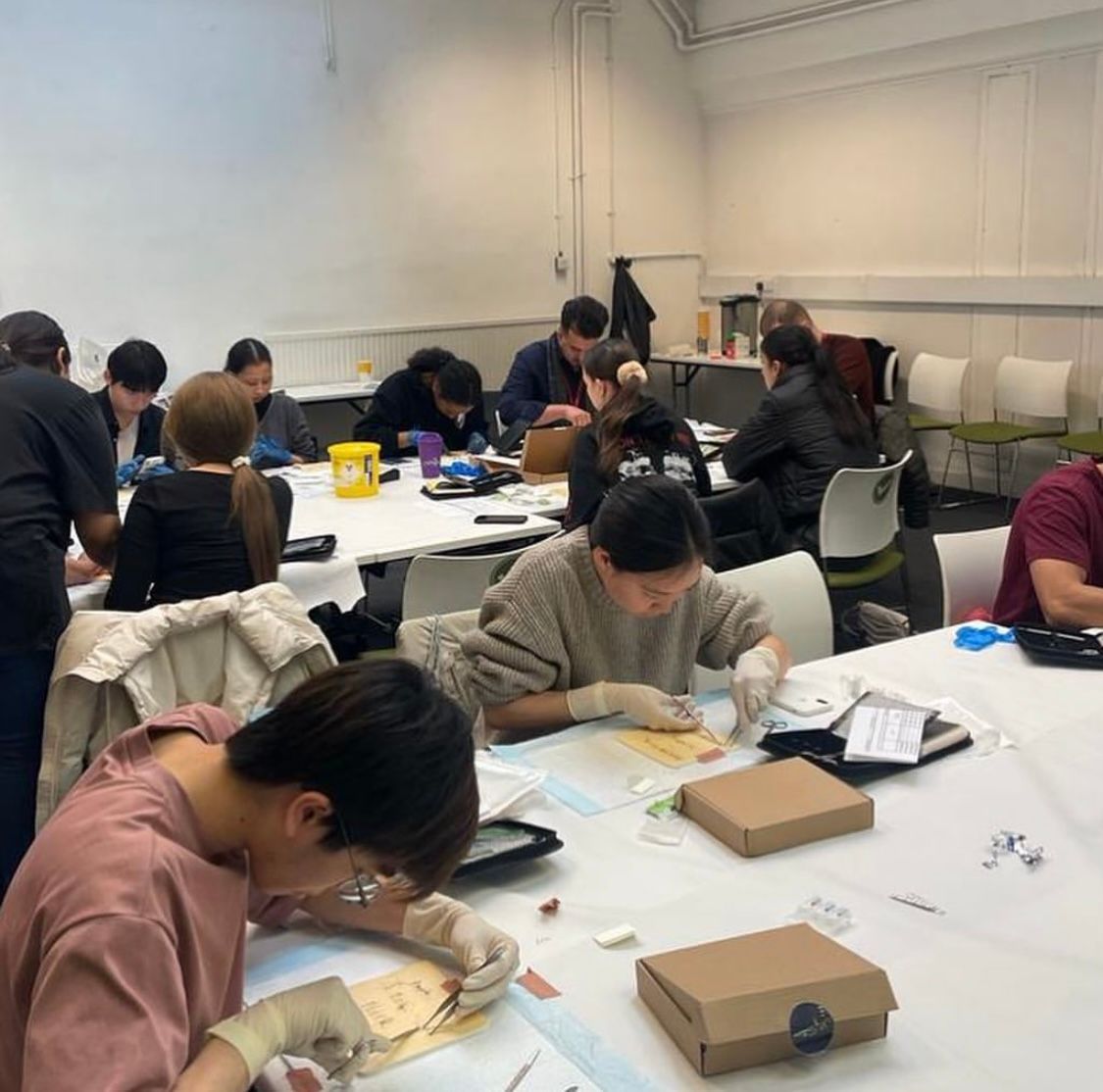
Medical school is a demanding journey, and every month presents new opportunities for growth. March is the perfect time to refine your skills, enhance your knowledge, and take actionable steps toward your career goals. Whether you're focusing on suture practice, improving clinical skills, or preparing for exams, here are some essential ways medical students can maximize their potential this month.


1. Strengthen Your Suturing Skills


Hands-on skills are crucial in medical training, and suturing is one of the most essential techniques to master. Take this month to practice different suturing techniques on simulation pads, invest in a high-quality suture kit for home practice, and watch expert-led tutorials to refine your precision. Regular suture practice will build confidence and prepare you for clinical rotations and surgical experiences.


2. Prepare for Clinical Rotations


March is a great time to gear up for upcoming rotations. Strengthen your foundation by reviewing key procedures like wound closure, patient examinations, and case presentations. Practicing effective communication with patients and healthcare teams is essential. Ensuring your suture kit is stocked and ready for hands-on experiences will help you feel more prepared.


3. Optimise Your Study Plan


If exams or board preparations are approaching, stay on track with a structured study plan. Set clear goals for each week and prioritize high-yield topics. Use active learning techniques like flashcards, group discussions, and case-based learning. Incorporating hands-on suture practice sessions will help balance theoretical and practical knowledge.


4. Network & Seek Mentorship


Connecting with peers and mentors can open doors to valuable insights and opportunities. This March, consider attending medical workshops, webinars, or networking events. Reaching out to faculty or senior medical students for guidance can provide useful perspectives. Joining online forums and groups focused on suturing techniques and clinical skills can also be beneficial.


5. Focus on Well-Being & Balance


Burnout is a real challenge in medical school, so it’s important to maintain a healthy balance. Prioritizing regular exercise and mindfulness activities can help manage stress. Effective time management will allow you to balance studies, suture practice, and relaxation. Connecting with friends and family for support can provide much-needed encouragement and motivation.


Unlock Your Potential with MySuture


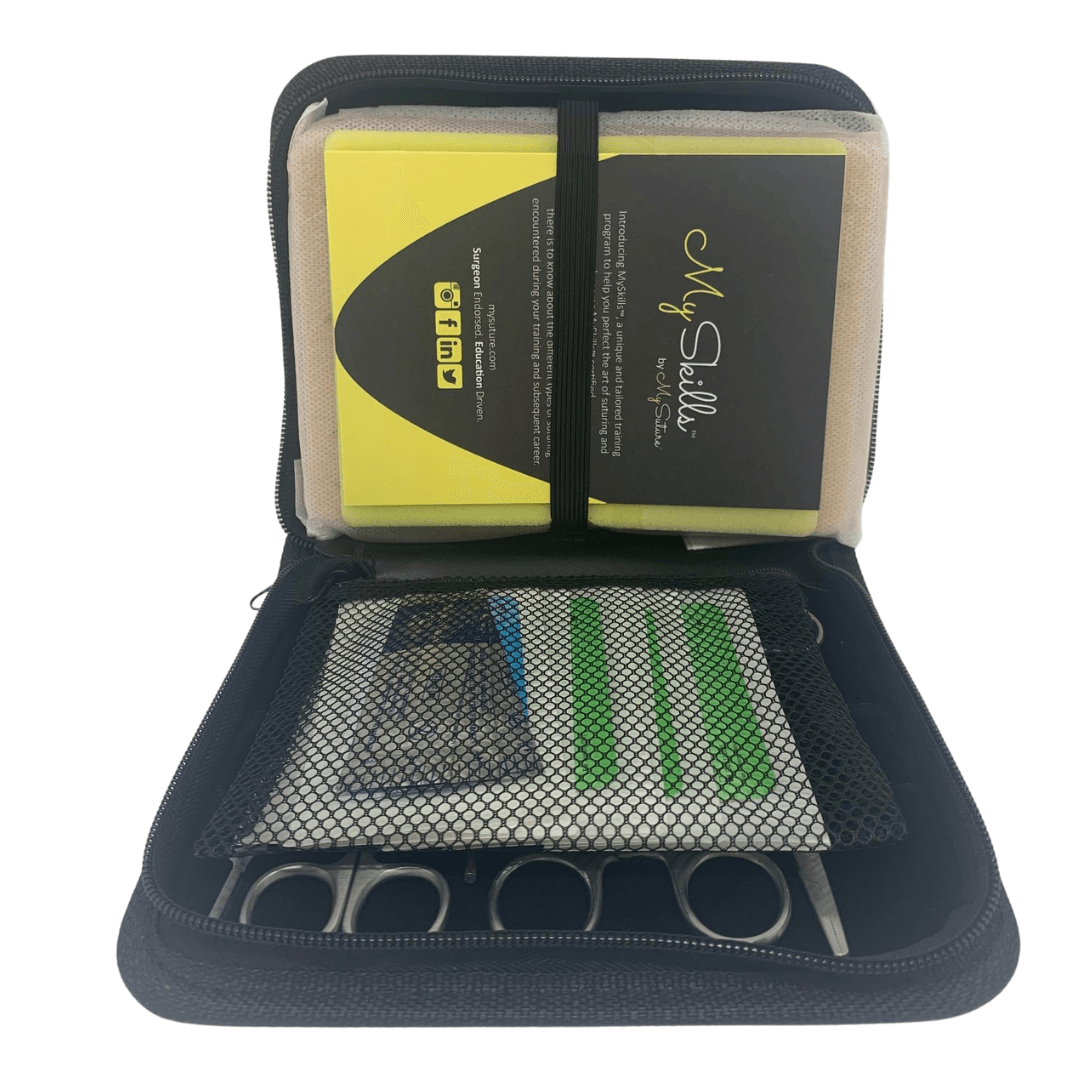
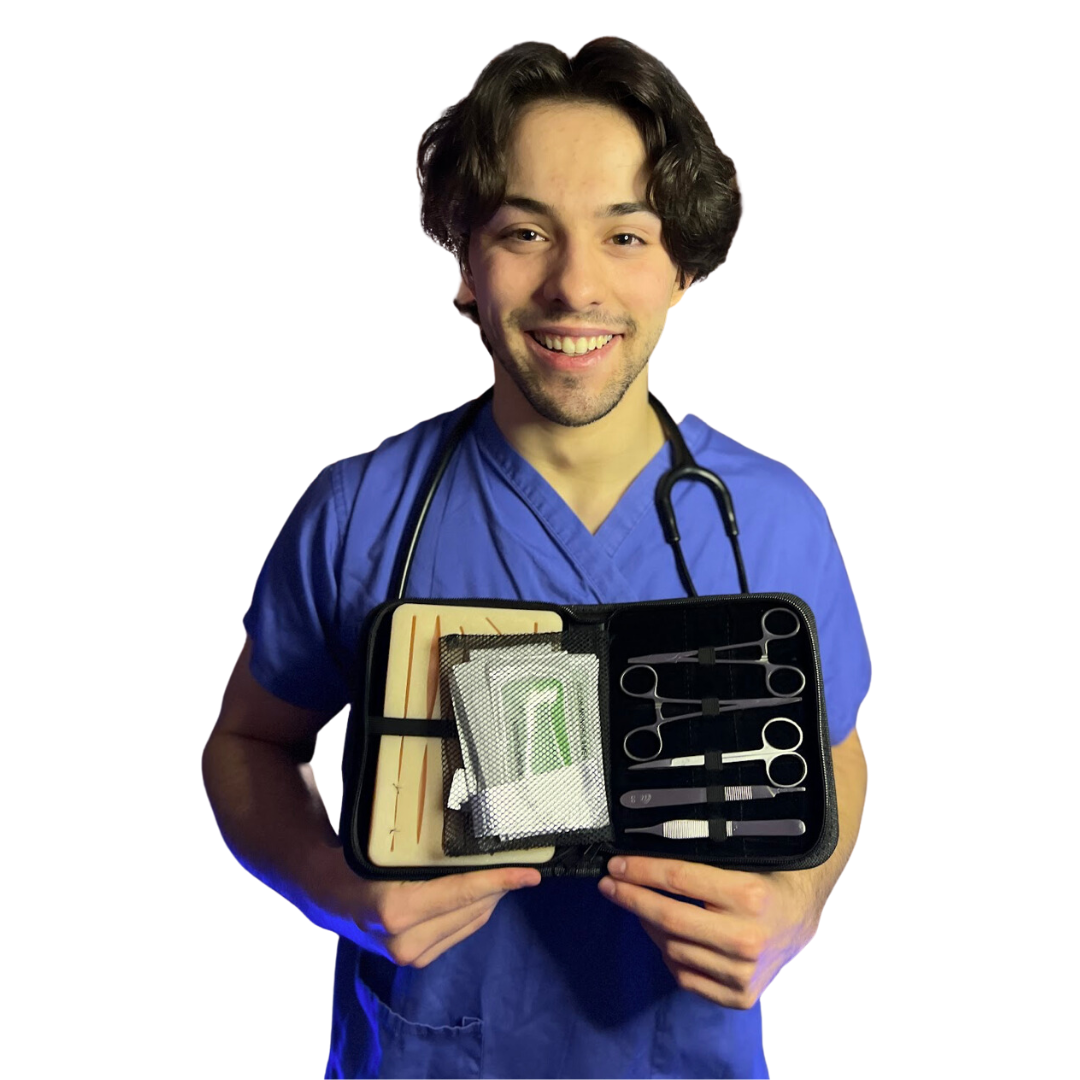
At MySuture.com, we provide premium suture kits to help medical students refine their skills. Whether you're a beginner practicing suturing techniques or advancing your surgical sutures knowledge, our tools support your journey toward clinical excellence.

18 November 2025
Mastering Suturing Safely: Essential Tips for Home and Classroom Practice
14 November 2025
Crafting Excellence: The Essential Components of a Comprehensive Suture Practice Kit
13 November 2025
Most medical students struggle to master suturing techniques without the right tools. Practising on low-quality materials can leave you unprepared for real surgical challenges. MySuture kits offer realistic suture practice kits designed by surgeons to build your skills and confidence. Explore our MySuture videos after purchasing a suture practice kit today and start mastering these essential techniques from the comfort of your home. Understanding the foundation of suturing is crucial for every aspiring surgeon. This section will guide you through the essential skills, common methods, and necessary tools to get you started. Importance of Suturing Skills Suturing is more than just closing wounds—it's about precision and care. As a medical student, having solid suturing skills can set you apart. Consider this: 45% of medical errors are linked to poor technique. By honing these skills, you ensure better patient outcomes and build trust with your team. Suturing isn't just a task; it's a responsibility. Overview of Common Techniques Let's dive into the techniques that form the backbone of suturing. You'll often use simple interrupted sutures, which offer flexibility and strength. They allow easy adjustments, crucial in varying wound sizes. Then there's the continuous suture, known for saving time and providing a watertight seal. Each technique has its place in surgery, and mastering them equips you for any scenario. Imagine the confidence you'll feel knowing you're prepared for anything. Tools of the Trade Tools matter. A good suture kit includes essentials like needle holders, forceps, and scissors. Quality tools ensure precision and safety during practice. MySuture kits come with everything you need, mirroring real surgical instruments. Each tool is designed by surgeons, ensuring you get the best training experience. Investing in the right tools means investing in your future success. Advanced Suturing Techniques Ready to elevate your skills? Understanding advanced suturing methods will prepare you for complex cases and boost your confidence in the operating room. Intricacies of Interrupted Sutures Interrupted sutures are a staple in any surgeon's repertoire. Each stitch is placed individually, allowing for precise tension control. This method is ideal for irregular wounds or areas under tension. Imagine stitching a jagged cut with ease, knowing each knot holds independently. Such precision reduces the risk of wound dehiscence, a common complication. Mastering this technique ensures you're ready for unpredictable challenges. Mastery of Continuous Sutures Continuous sutures are a time-efficient technique providing strong, secure closures. Unlike interrupted sutures, this method uses a single thread, offering speed and less foreign material. This is perfect for long incisions, such as those in abdominal surgeries. Continuous sutures require a steady hand and keen attention to tension. Mastery here means you'll deliver quick, effective care when it matters most. Specialty Stitches for Challenging Cases Not all wounds are straightforward. Some require special techniques such as mattress sutures or subcuticular stitches. These specialty stitches address specific challenges like everting wound edges or minimizing scarring. Mastering these methods allows you to approach any situation with confidence. Picture yourself adapting seamlessly to a complex scenario, impressing colleagues and reassuring patients. Practice Makes Perfect The key to proficiency in suturing lies in practice. Consistent training enhances your technique and boosts your confidence. Let's explore how MySuture™ kits can be your gateway to mastery. Benefits of MySuture™ Kits MySuture kits are designed to simulate real-life scenarios with unmatched accuracy. Each kit includes a high-quality suture pad with three layers: skin, fat, and muscle, mimicking human tissue. With over 750 kits sold, trust in our quality is widespread. MySuture kits provide the tools and support you need to refine your skills, making practice both effective and enjoyable. The longer you wait, the more skills you miss out on mastering. Testimonials from Medical Learners Don't just take our word for it—listen to those who've walked this path. Hana, a medical student, says, "This suture kit is wonderful! I've practiced many techniques." Brandon shares, "Surgeons marvel at the quality of the skin pad. It prepared me for surgical placements." Testimonials like these highlight the value and impact of our kits. You're not alone; join a community of learners striving for excellence. Start Practicing Now! Ready to take your skills to the next level? MySuture™ offers the tools you need to master suturing from home. With our kits, you can practice anytime and gain confidence in your abilities. Don't wait—start today and transform your medical journey. 
18 February 2025
Mastering Suturing Techniques: A Guide to Precision and Best Practices