Suturing Techniques

18 February 2025

Mastering Suturing Techniques: A Guide to Precision and Best Practices
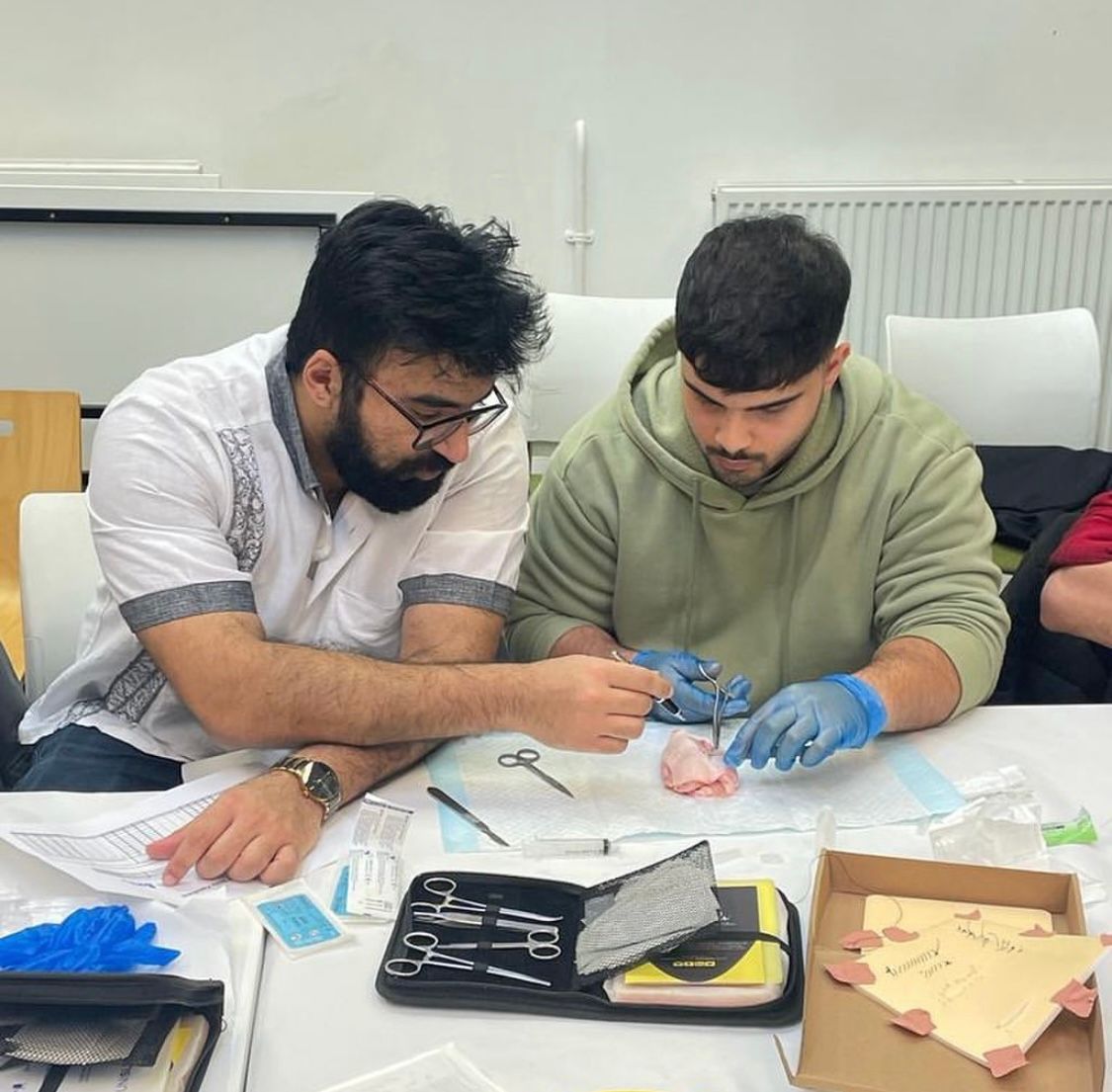
Suturing is a fundamental skill in medical practice, essential for effective wound closure and optimal healing. Whether you're a medical student honing your skills or a seasoned professional, using the right suture kit and techniques ensures precision and reduces complications. In this guide, we’ll explore key suturing techniques, best practices for suture practice, and how to choose the best surgical sutures for different procedures.


Why Suturing Matters


Proper suturing promotes faster healing, minimizes scarring, and prevents infections. With the right suture kit, practitioners can achieve excellent wound closure outcomes. The choice of surgical sutures—including material type and needle design—plays a critical role in achieving precision and durability.

Essential Suturing Techniques


Mastering various suturing techniques ensures adaptability in different medical scenarios. Here are some of the most widely used methods:


1. Simple Interrupted Sutures


This is one of the most common suturing methods, ideal for general wound closure. Each stitch is placed separately, ensuring security even if one suture fails. It’s an essential technique for suture practice and a staple in any suture kit.


2. Continuous (Running) Sutures


A single thread runs along the wound with evenly spaced stitches, offering speed and efficiency. This method is often used for long incisions where quick closure is needed.


3. Subcuticular Sutures


A preferred technique for cosmetic closures, subcuticular suturing involves placing stitches within the dermis to minimize visible scarring. This method requires skill and precise handling of the suture kit for the best results.


4. Mattress Sutures (Vertical & Horizontal)


These techniques provide strong wound support and are useful for areas experiencing high tension. They help evert wound edges, reducing the risk of improper healing.


Best Practices for Effective Suturing


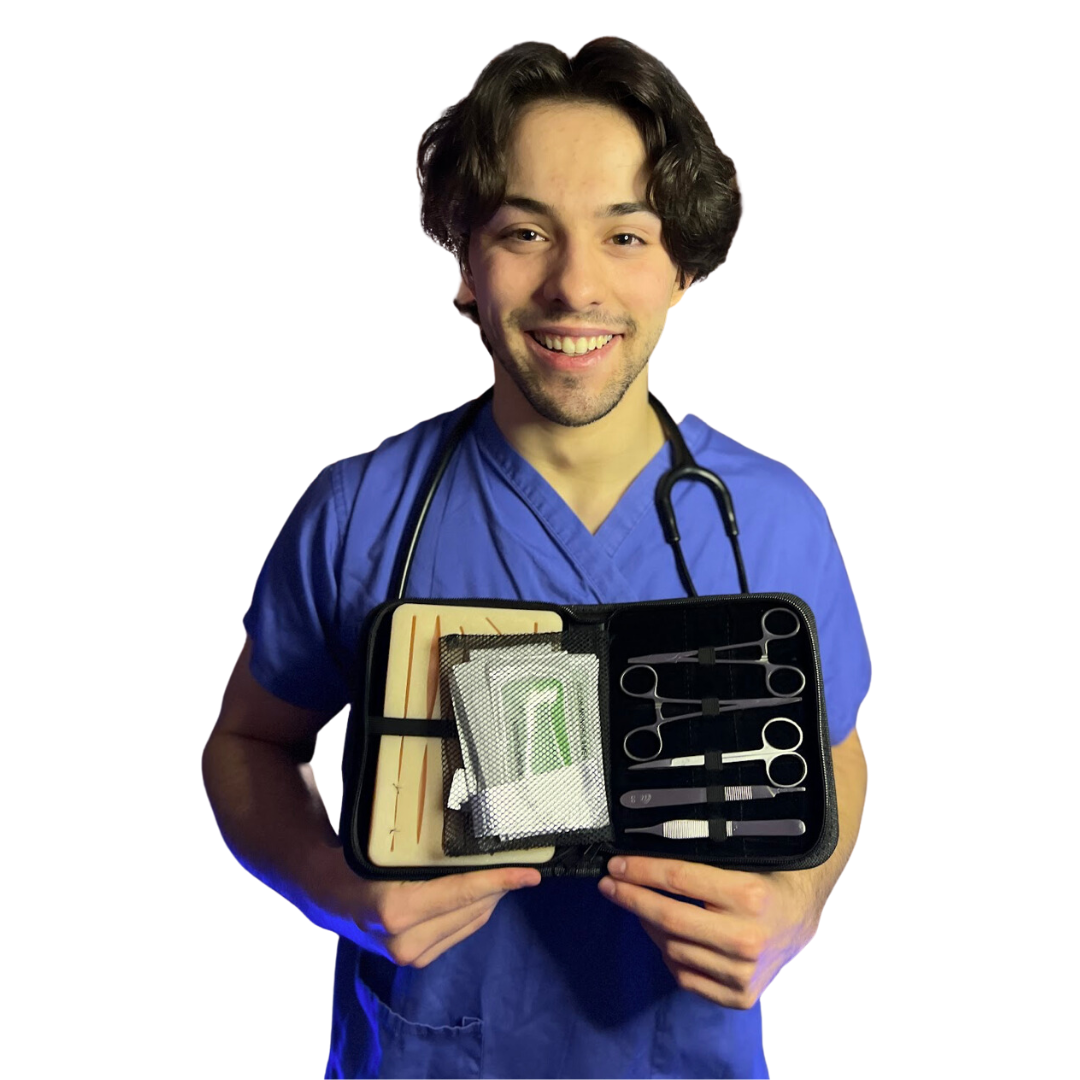
Use a High-Quality Suture Kit – The right instruments and surgical sutures improve handling and accuracy.

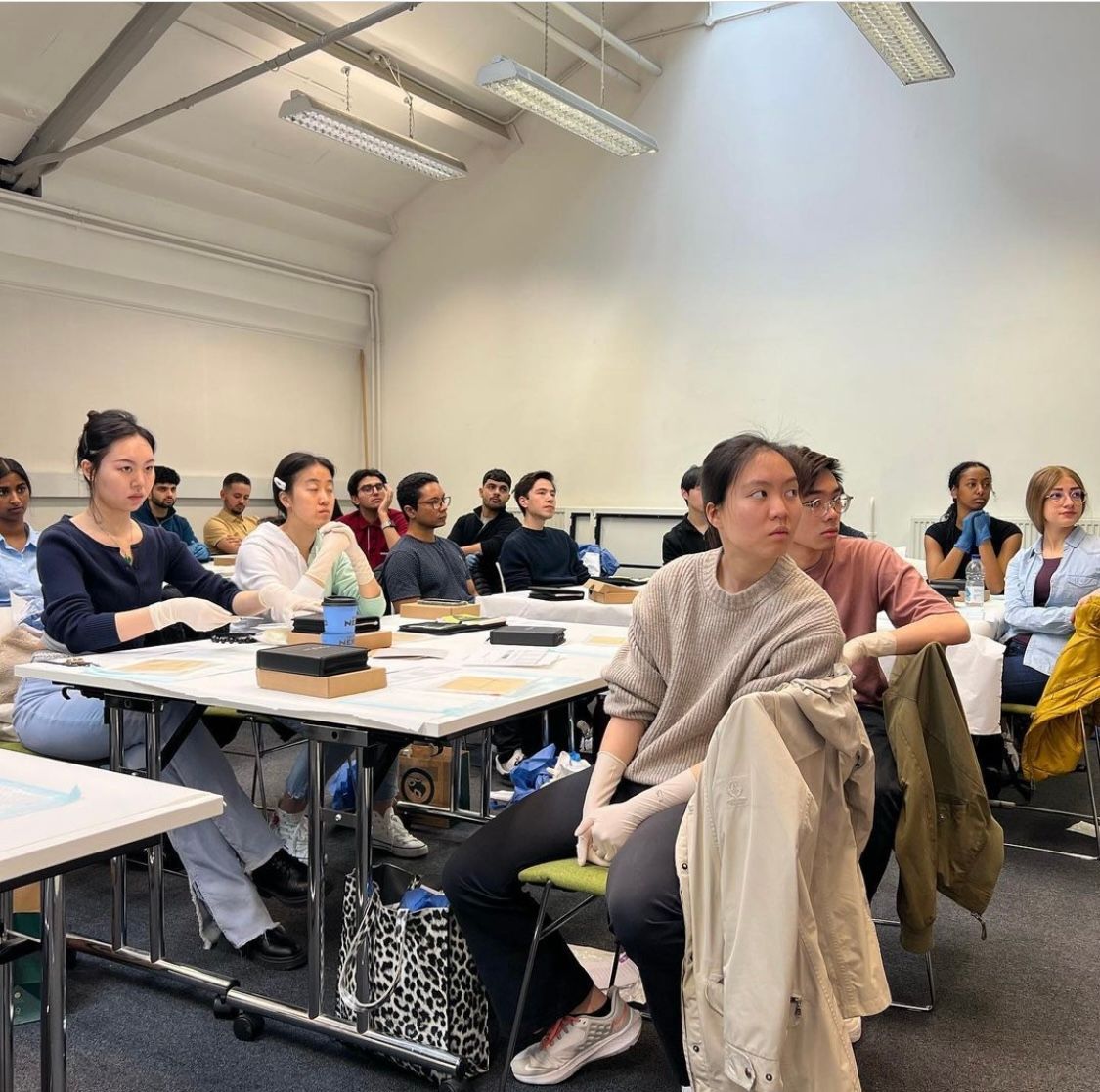
Perfect Your Suture Practice – Regular suture practice on simulation pads helps refine technique and precision.


Choose the Right Suture Material – Absorbable vs. non-absorbable surgical sutures impact healing times and tissue reaction.


Maintain Proper Wound Tension – Avoid over-tightening to prevent ischemia and delayed healing.

Follow Sterile Techniques – Always ensure the wound and suture kit remain sterile to reduce infection risks.


Elevate Your Suturing Skills with MySuture


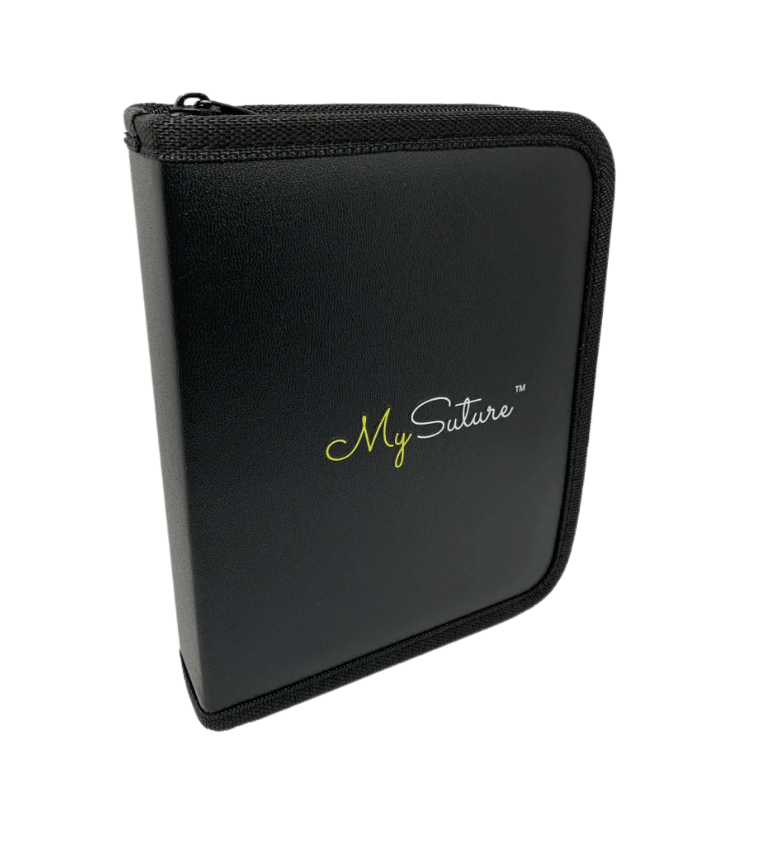
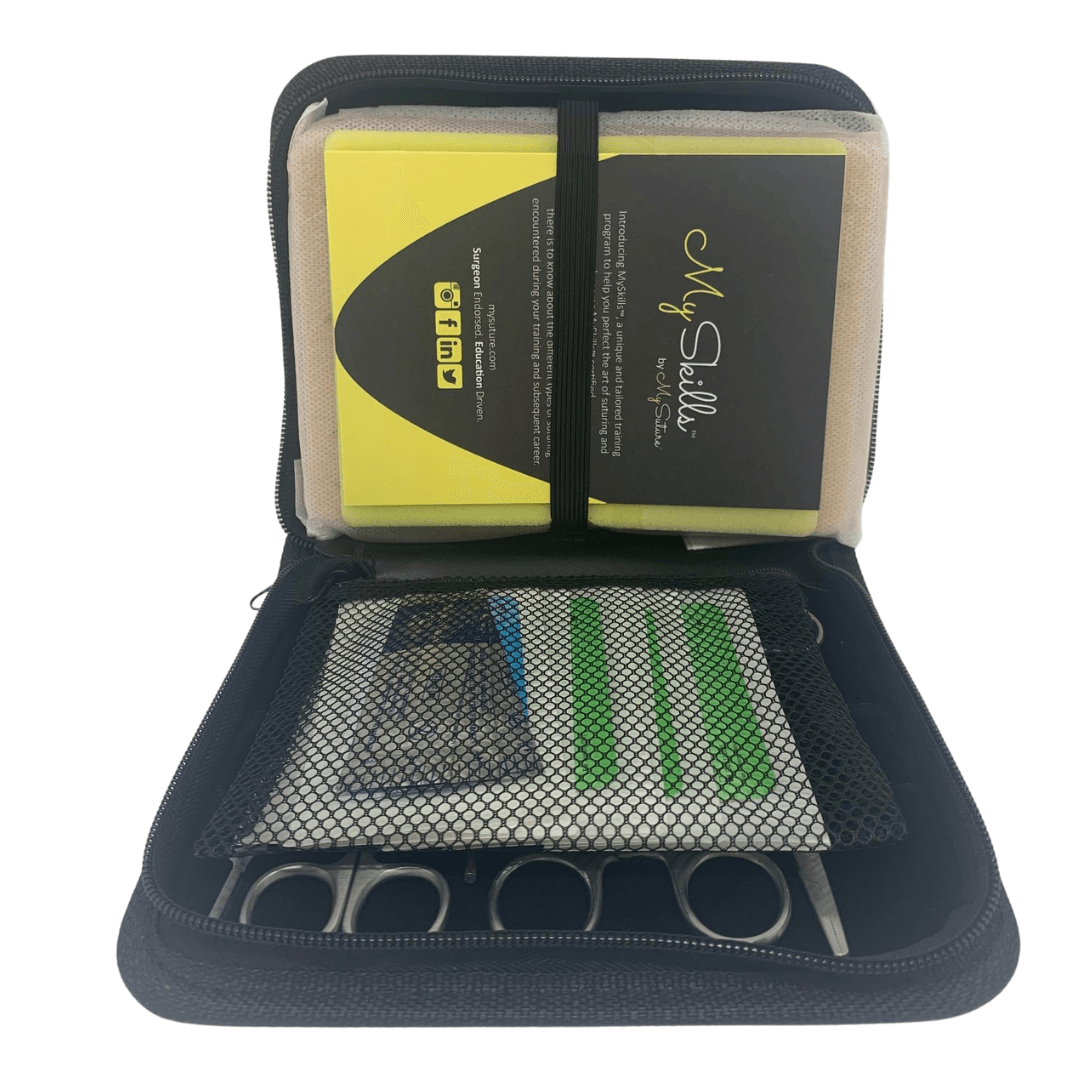
At MySuture.com, we provide premium suture kits designed for precision, durability, and ease of use. Whether you're a student engaging in suture practice or a professional seeking advanced surgical sutures, our products ensure optimal performance in every procedure.


Explore our range of suture kits today and enhance your suturing expertise!
18 November 2025
Mastering Suturing Safely: Essential Tips for Home and Classroom Practice
14 November 2025
Crafting Excellence: The Essential Components of a Comprehensive Suture Practice Kit
13 November 2025
Most medical students struggle to master suturing techniques without the right tools. Practising on low-quality materials can leave you unprepared for real surgical challenges. MySuture kits offer realistic suture practice kits designed by surgeons to build your skills and confidence. Explore our MySuture videos after purchasing a suture practice kit today and start mastering these essential techniques from the comfort of your home. Understanding the foundation of suturing is crucial for every aspiring surgeon. This section will guide you through the essential skills, common methods, and necessary tools to get you started. Importance of Suturing Skills Suturing is more than just closing wounds—it's about precision and care. As a medical student, having solid suturing skills can set you apart. Consider this: 45% of medical errors are linked to poor technique. By honing these skills, you ensure better patient outcomes and build trust with your team. Suturing isn't just a task; it's a responsibility. Overview of Common Techniques Let's dive into the techniques that form the backbone of suturing. You'll often use simple interrupted sutures, which offer flexibility and strength. They allow easy adjustments, crucial in varying wound sizes. Then there's the continuous suture, known for saving time and providing a watertight seal. Each technique has its place in surgery, and mastering them equips you for any scenario. Imagine the confidence you'll feel knowing you're prepared for anything. Tools of the Trade Tools matter. A good suture kit includes essentials like needle holders, forceps, and scissors. Quality tools ensure precision and safety during practice. MySuture kits come with everything you need, mirroring real surgical instruments. Each tool is designed by surgeons, ensuring you get the best training experience. Investing in the right tools means investing in your future success. Advanced Suturing Techniques Ready to elevate your skills? Understanding advanced suturing methods will prepare you for complex cases and boost your confidence in the operating room. Intricacies of Interrupted Sutures Interrupted sutures are a staple in any surgeon's repertoire. Each stitch is placed individually, allowing for precise tension control. This method is ideal for irregular wounds or areas under tension. Imagine stitching a jagged cut with ease, knowing each knot holds independently. Such precision reduces the risk of wound dehiscence, a common complication. Mastering this technique ensures you're ready for unpredictable challenges. Mastery of Continuous Sutures Continuous sutures are a time-efficient technique providing strong, secure closures. Unlike interrupted sutures, this method uses a single thread, offering speed and less foreign material. This is perfect for long incisions, such as those in abdominal surgeries. Continuous sutures require a steady hand and keen attention to tension. Mastery here means you'll deliver quick, effective care when it matters most. Specialty Stitches for Challenging Cases Not all wounds are straightforward. Some require special techniques such as mattress sutures or subcuticular stitches. These specialty stitches address specific challenges like everting wound edges or minimizing scarring. Mastering these methods allows you to approach any situation with confidence. Picture yourself adapting seamlessly to a complex scenario, impressing colleagues and reassuring patients. Practice Makes Perfect The key to proficiency in suturing lies in practice. Consistent training enhances your technique and boosts your confidence. Let's explore how MySuture™ kits can be your gateway to mastery. Benefits of MySuture™ Kits MySuture kits are designed to simulate real-life scenarios with unmatched accuracy. Each kit includes a high-quality suture pad with three layers: skin, fat, and muscle, mimicking human tissue. With over 750 kits sold, trust in our quality is widespread. MySuture kits provide the tools and support you need to refine your skills, making practice both effective and enjoyable. The longer you wait, the more skills you miss out on mastering. Testimonials from Medical Learners Don't just take our word for it—listen to those who've walked this path. Hana, a medical student, says, "This suture kit is wonderful! I've practiced many techniques." Brandon shares, "Surgeons marvel at the quality of the skin pad. It prepared me for surgical placements." Testimonials like these highlight the value and impact of our kits. You're not alone; join a community of learners striving for excellence. Start Practicing Now! Ready to take your skills to the next level? MySuture™ offers the tools you need to master suturing from home. With our kits, you can practice anytime and gain confidence in your abilities. Don't wait—start today and transform your medical journey. 
3 March 2025
Maximising Your Potential: What Medical Students Can Do in March